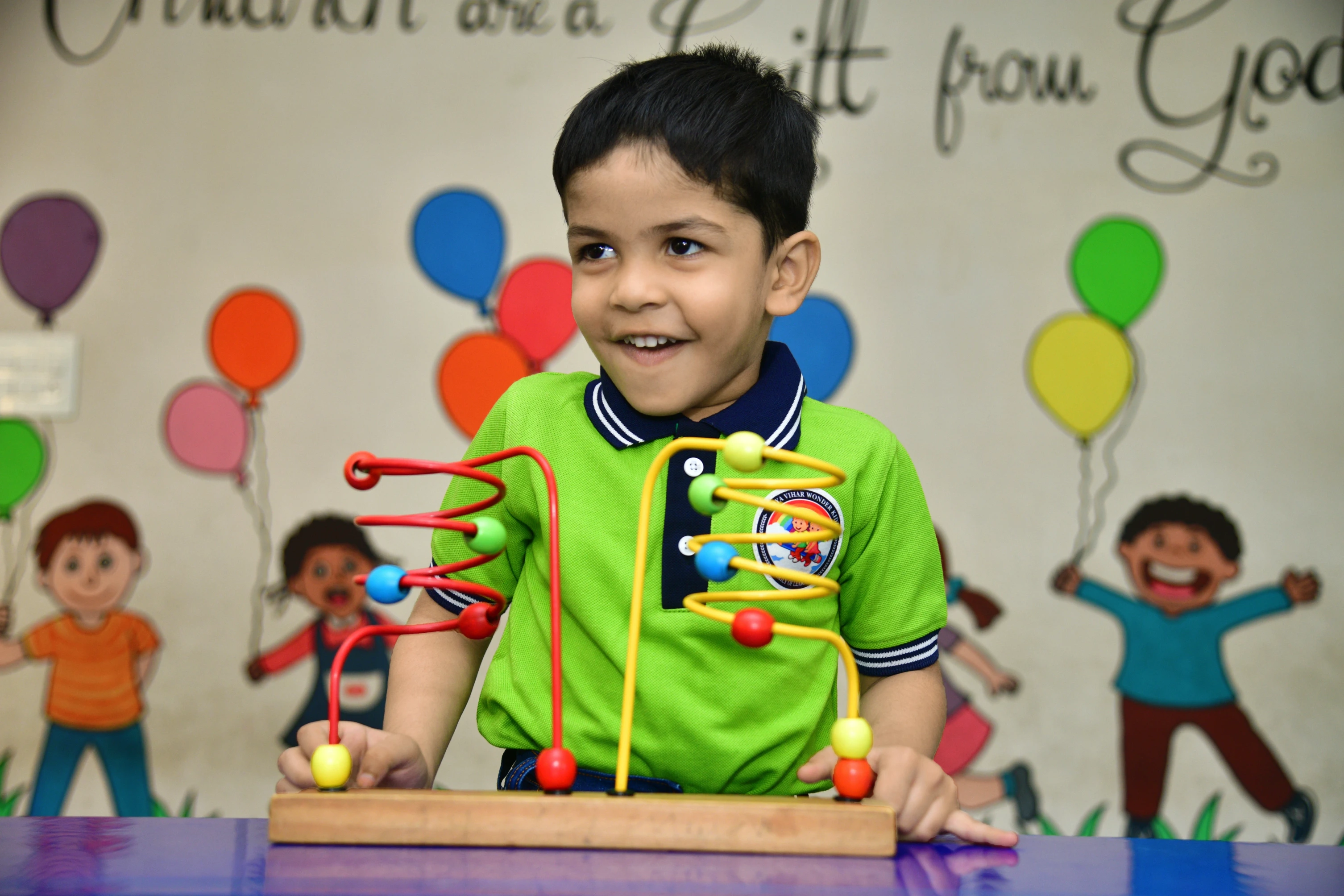
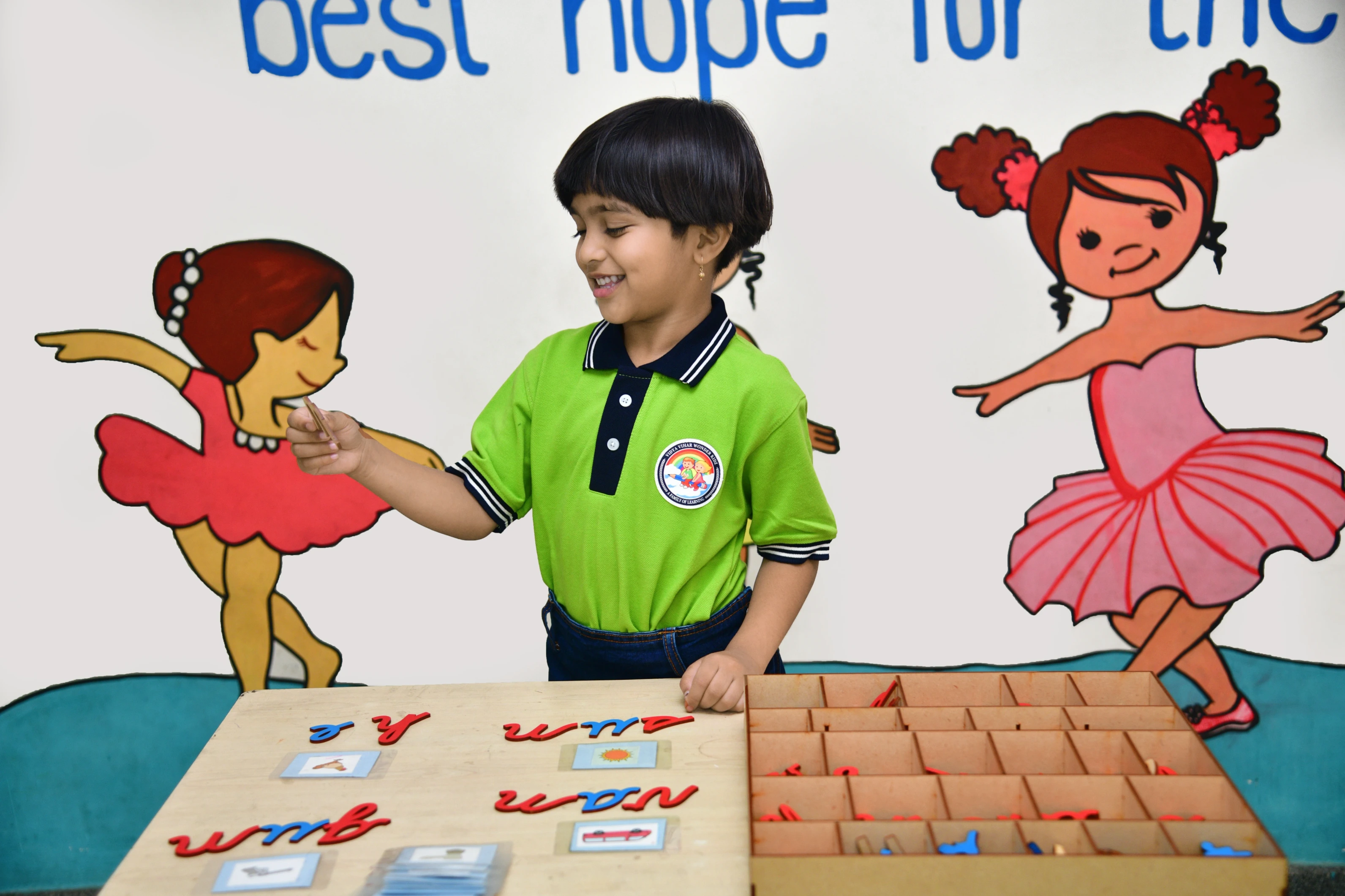
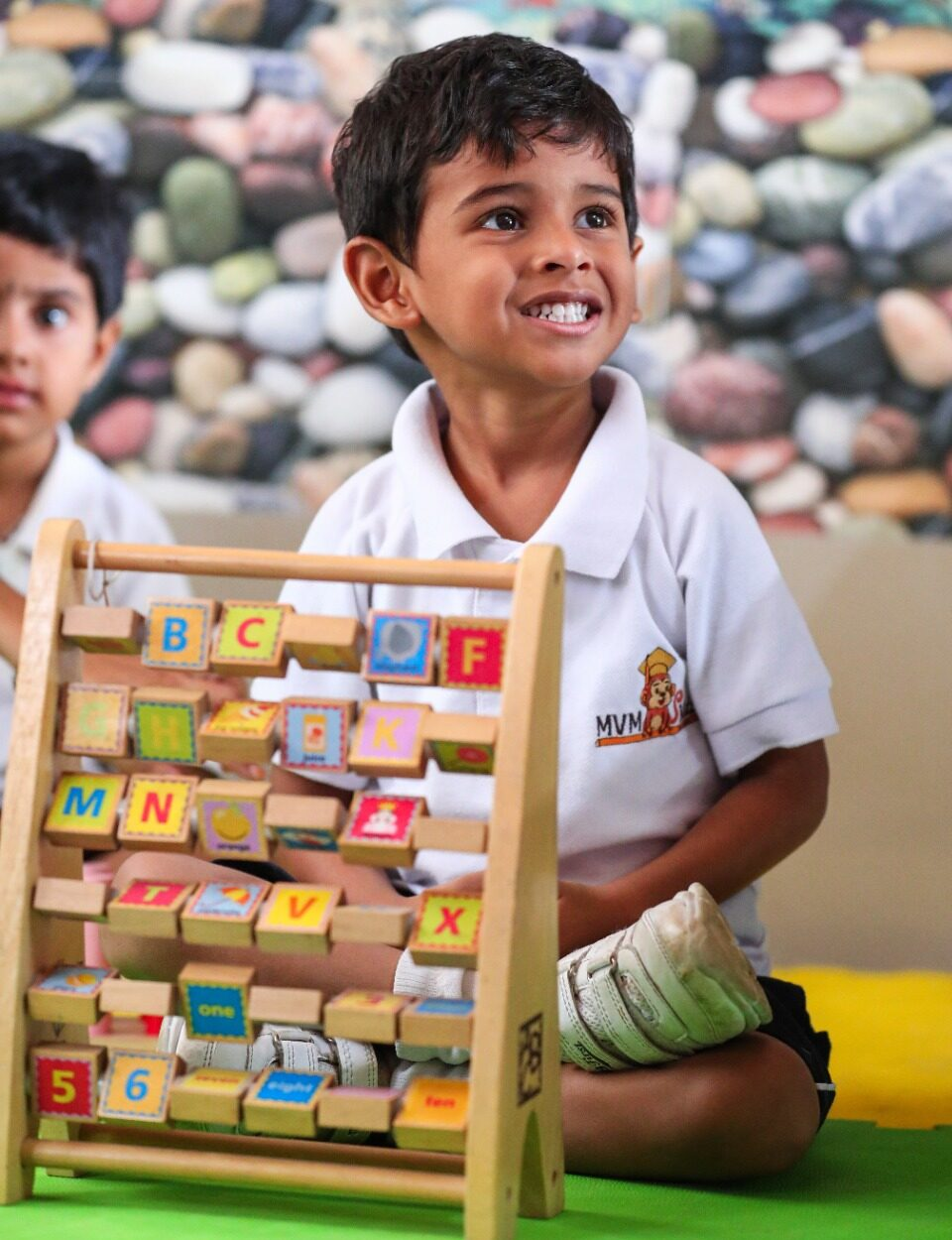
Early childhood education forms the cornerstone of a child’s lifelong learning journey, and Vidya Vihar International School places immense importance on this foundational stage to nurture holistic cognitive, emotional, and social development. Guided by the National Curriculum Framework (NCF), the school focuses on fostering essential skills such as early literacy, numeracy, critical thinking, problem-solving, communication, and social-emotional competencies. These foundational skills not only promote academic success but also inspire creativity, adaptability, and resilience, equipping children to navigate a rapidly evolving world.
Our Foundational School offers a holistic, fun-filled, stress-free, and child-centered learning experience for our early learners (Pre-KG, Kindergarten, Grades 1 and 2). The significance of early childhood education cannot be overstated, as these years profoundly impact a child’s lifelong growth, development, and overall well-being. Therefore, Excel Foundational School strives to provide a balanced and comprehensive foundational curriculum that lays the groundwork for student’s academic success in higher grades, as well as their emotional well-being in all relationships.
Excel Foundational School’s early education programmes align with both the NCF and the National Education Policy (NEP), which recognize Early Childhood Care and Education (ECCE) as critical for building a solid foundation. The school embraces the NCF’s play-based, experiential learning approach, ensuring children develop not only intellectually but also through active engagement and exploration. By adhering to the NCF and NEP’s principles, Vidya Vihar International School is dedicated to providing equitable access to high-quality education, promoting inclusivity, and supporting the holistic growth of every child.
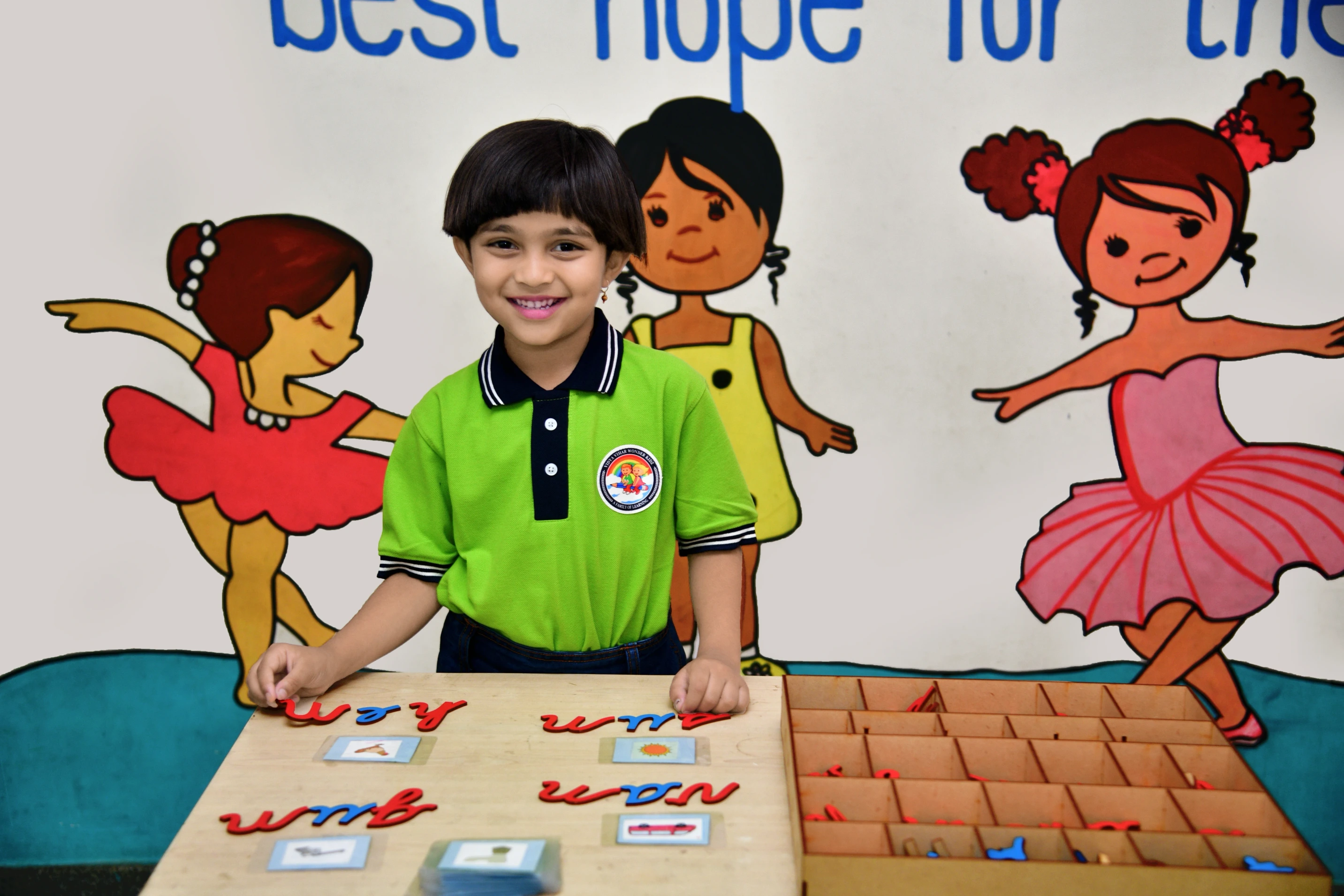
Critical brain development occurs during a child’s formative years, which typically lasts from birth to age eight. Vidya Vihar International School provides an early childhood education curriculum that provides educational stimuli that children need more than just a strong foundation in the core curriculum; children need to develop a compassionate understanding of the world around them to bring about holistic growth. Aligning ourselves to the guidelines of NEP 2020, a skill-based approach is followed to prepare children for the future.
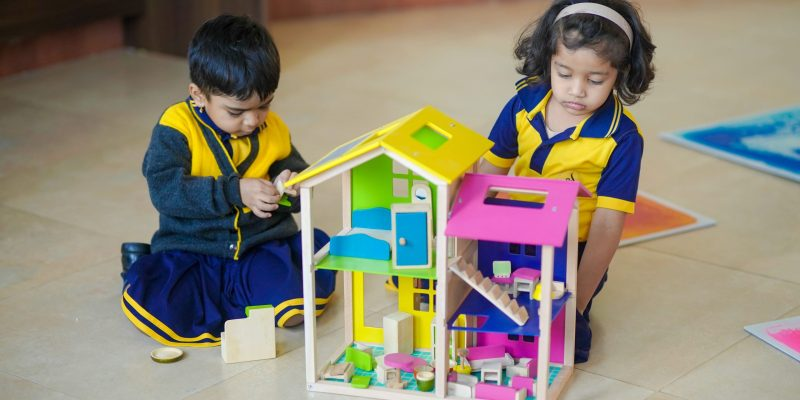
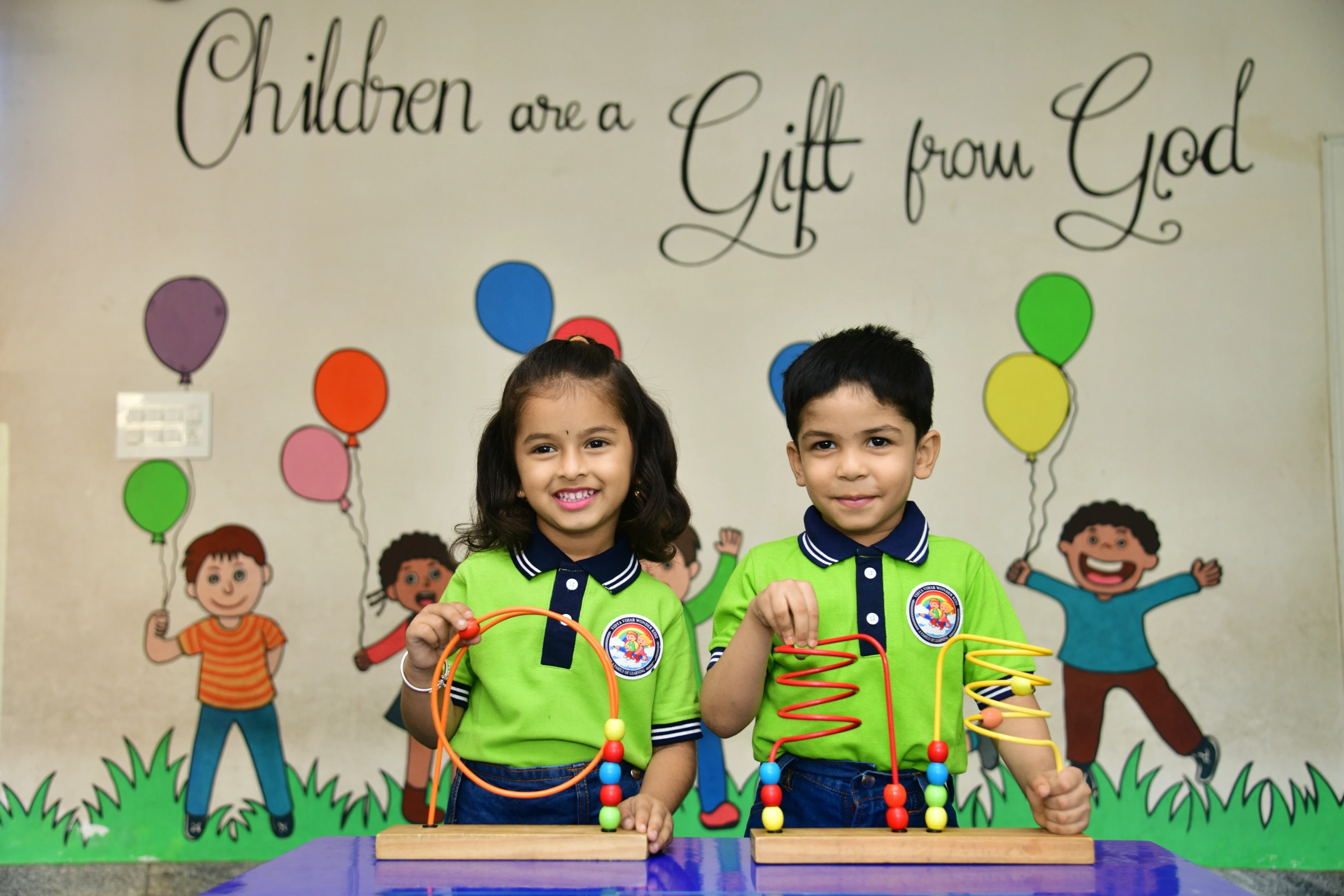
We adopt a multi-sensory, activity-based approach where subjects are seamlessly integrated emphasizing real-life application, a child is the centre of our learning process. The lessons and activities are designed to help children exercise their multiple intelligences. Each child is provided with ample opportunities to participate in these activities to develop these intelligences.
Experiential learning is practised in its true sense where children ‘learn by doing’ and reflect on the experience which enriches their learning. Well-planned experiential learning programmes stimulate academic inquiry by promoting interdisciplinary learning. Oral language development and pre-writing skills are reinforced to lay a strong foundation for language and writing skills. Circle time is a happy time when children are free to interact and share their experiences.
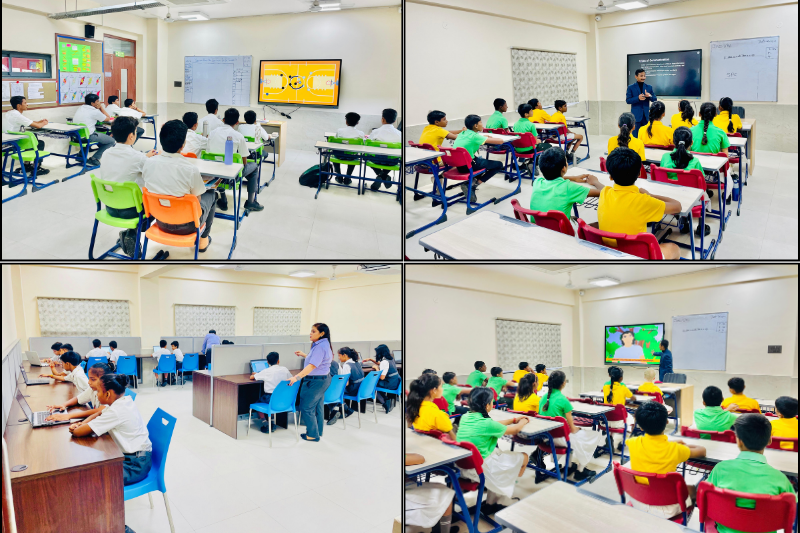
The Foundational Stage encompasses a crucial phase in a child’s learning journey. Special attention is paid to making sure that children enjoy every aspect of schooling in their formative years. This stage prioritizes flexible, multi-level, play-based, activity-based, and discovery-based learning, integrating the latest research in early childhood care and education.
Children typically build upon their existing learning experiences from home and/or previous schooling. At Excel Foundational School, we facilitate their learning through well-planned and stimulating play-based approaches that develop their interests, curiosity, and creativity.
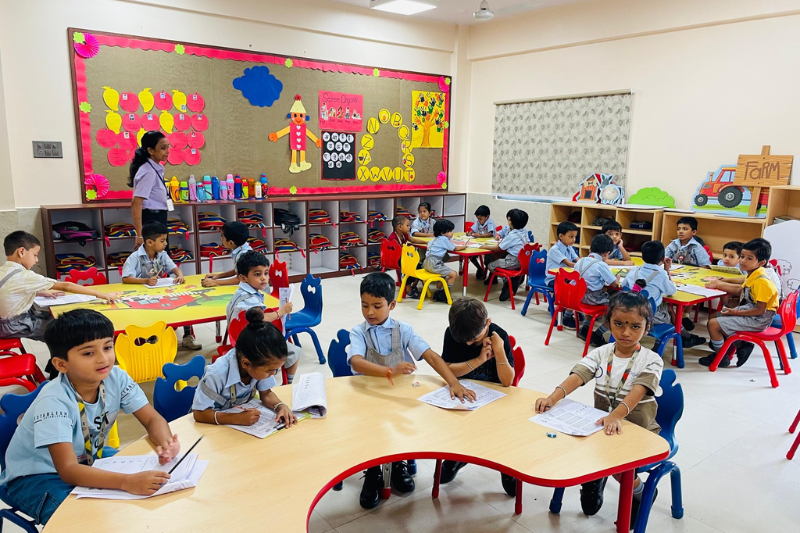
In a competency-based curriculum, as envisioned by the National Curriculum Framework, assessment serves as a comprehensive mechanism for gathering evidence of students’ learning achievements. There is NO formal assessment during the Foundational Stage. The assessment process involves consolidating their learning and applying newly acquired skills through a variety of meaningful activities and exercises, on an ongoing basis.
Assessment processes are meticulously designed to seamlessly integrate with the child’s learning experience. Recognizing the individuality of each child’s learning style and expression, assessment of Learning Outcomes or Competencies are achieved through implementing a diverse range of assessment modalities for the same Learning Outcome.
Each assessment is systematically documented to monitor individual growth over time, with regular feedback provided to support continuous improvement. As this process is continuous and embedded in everyday learning, there will be no pre-announced dates regarding the assessments. This process culminates in a detailed Holistic Progress Report.